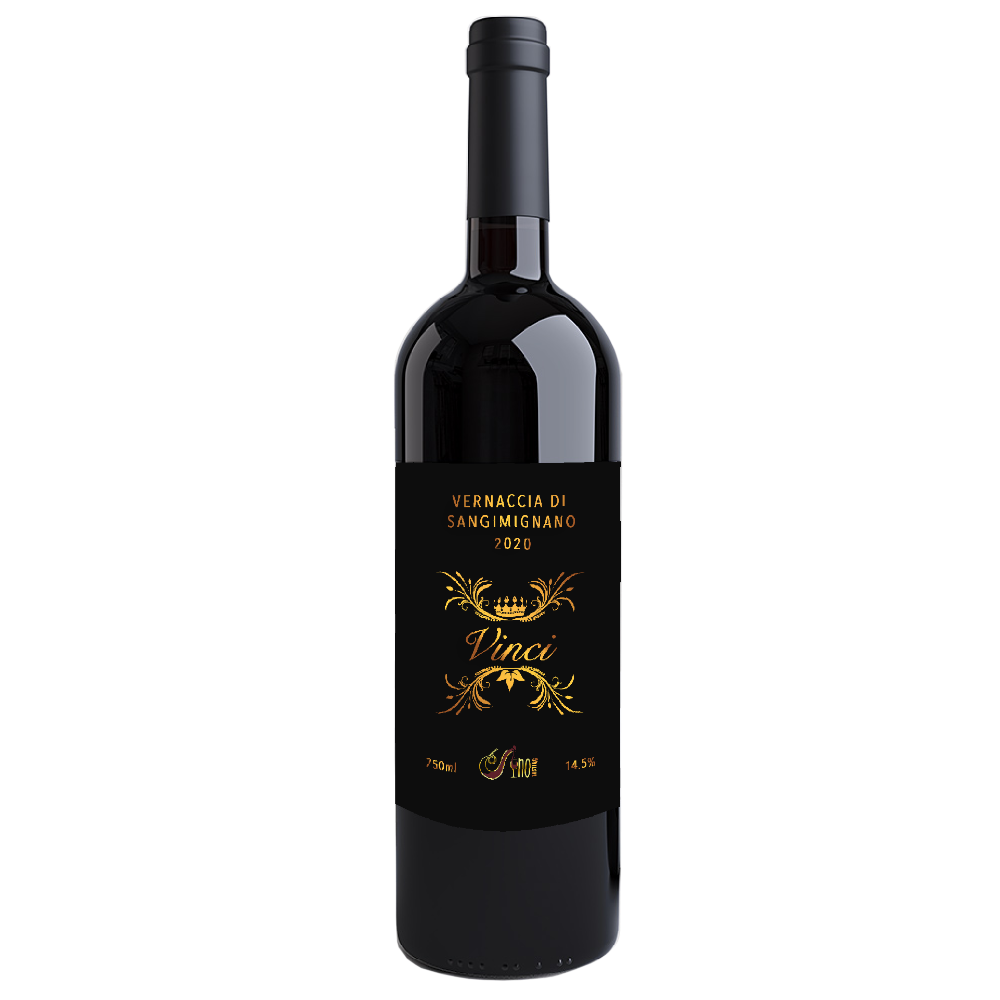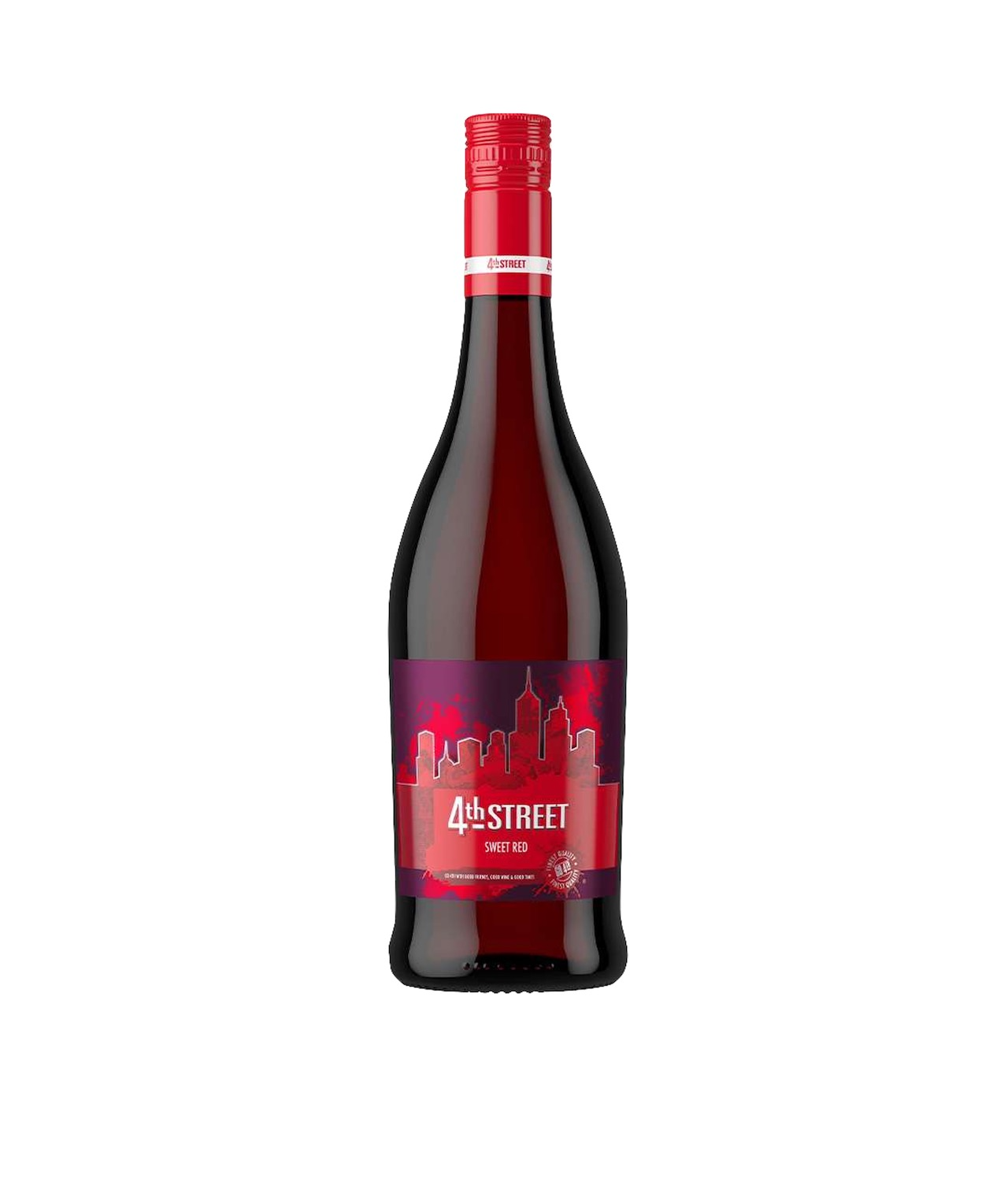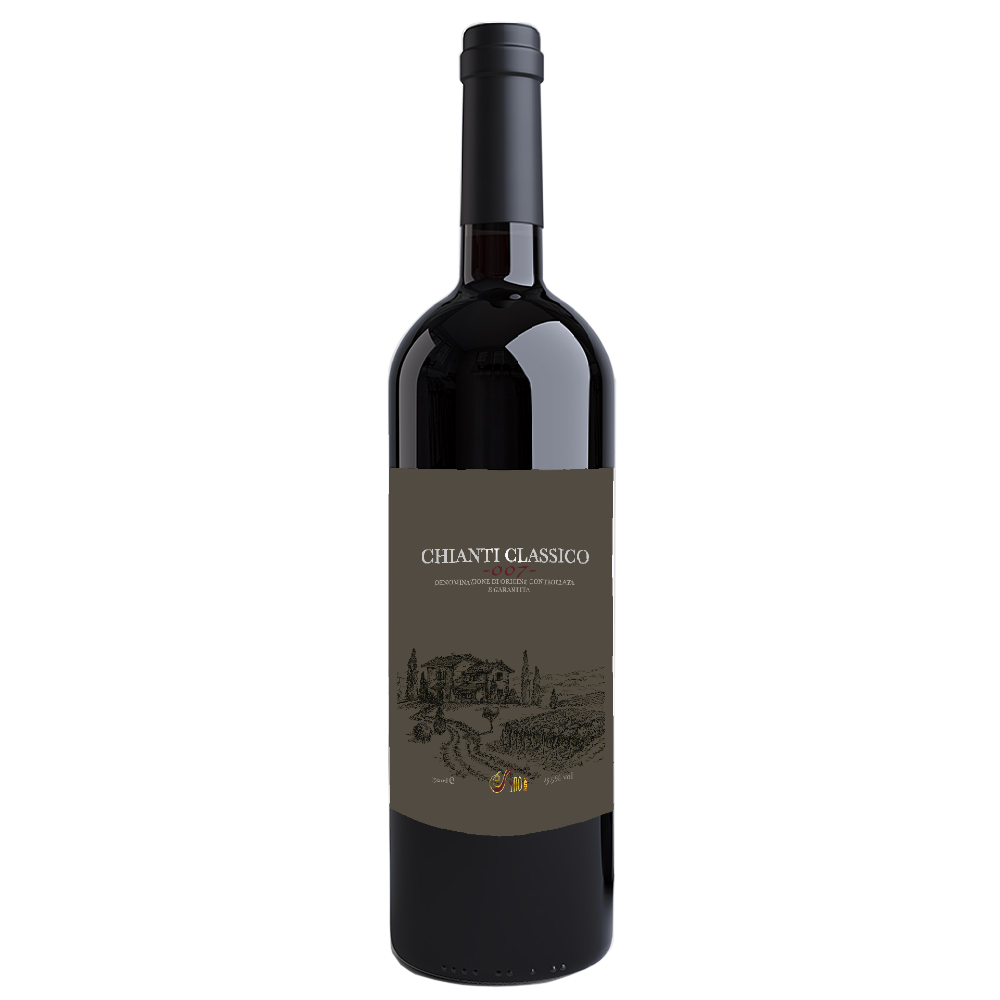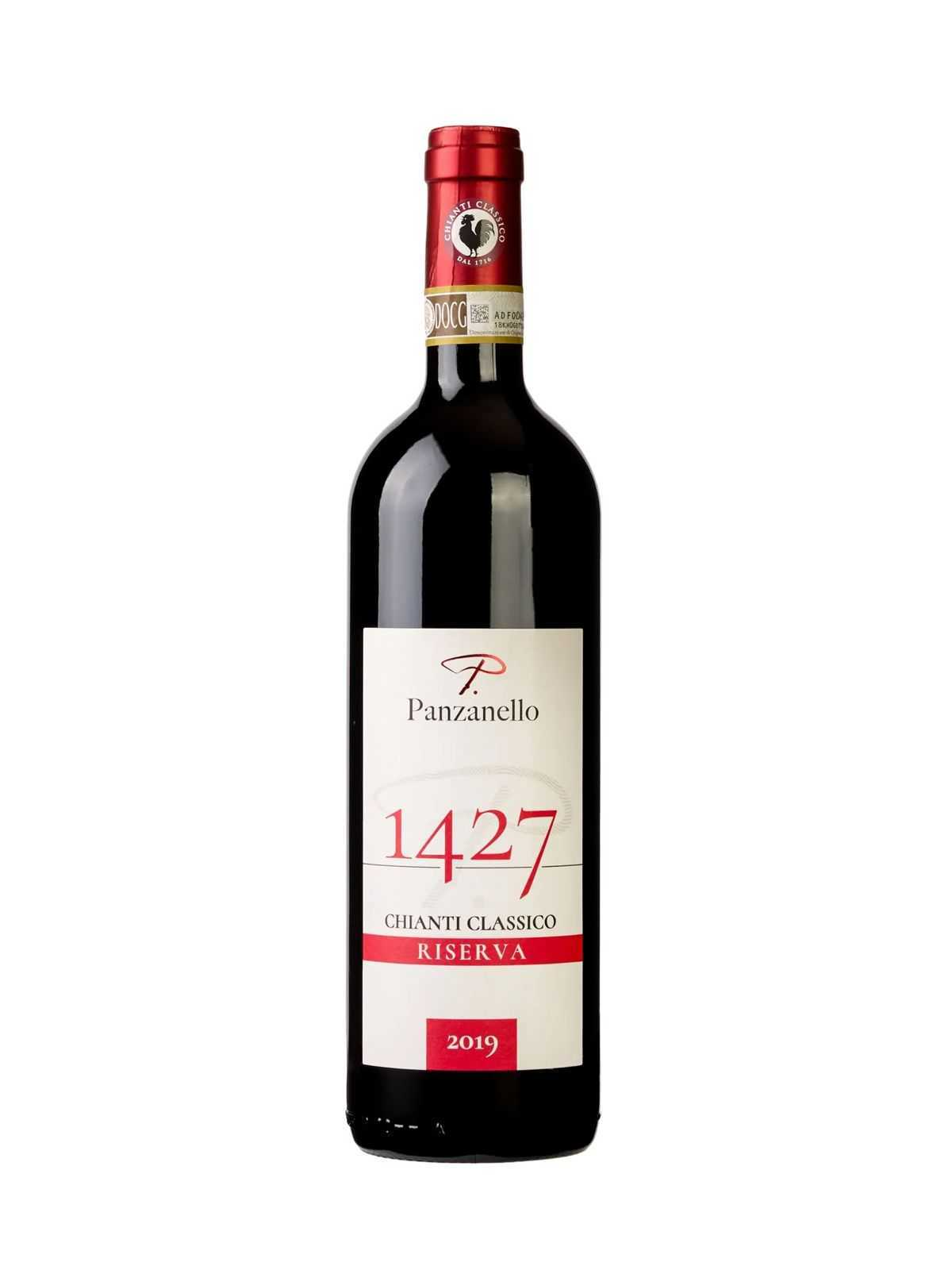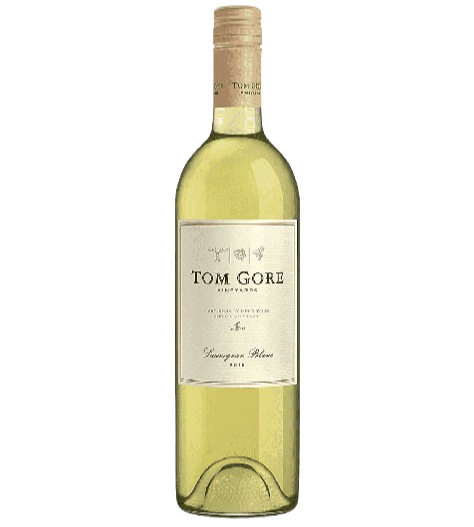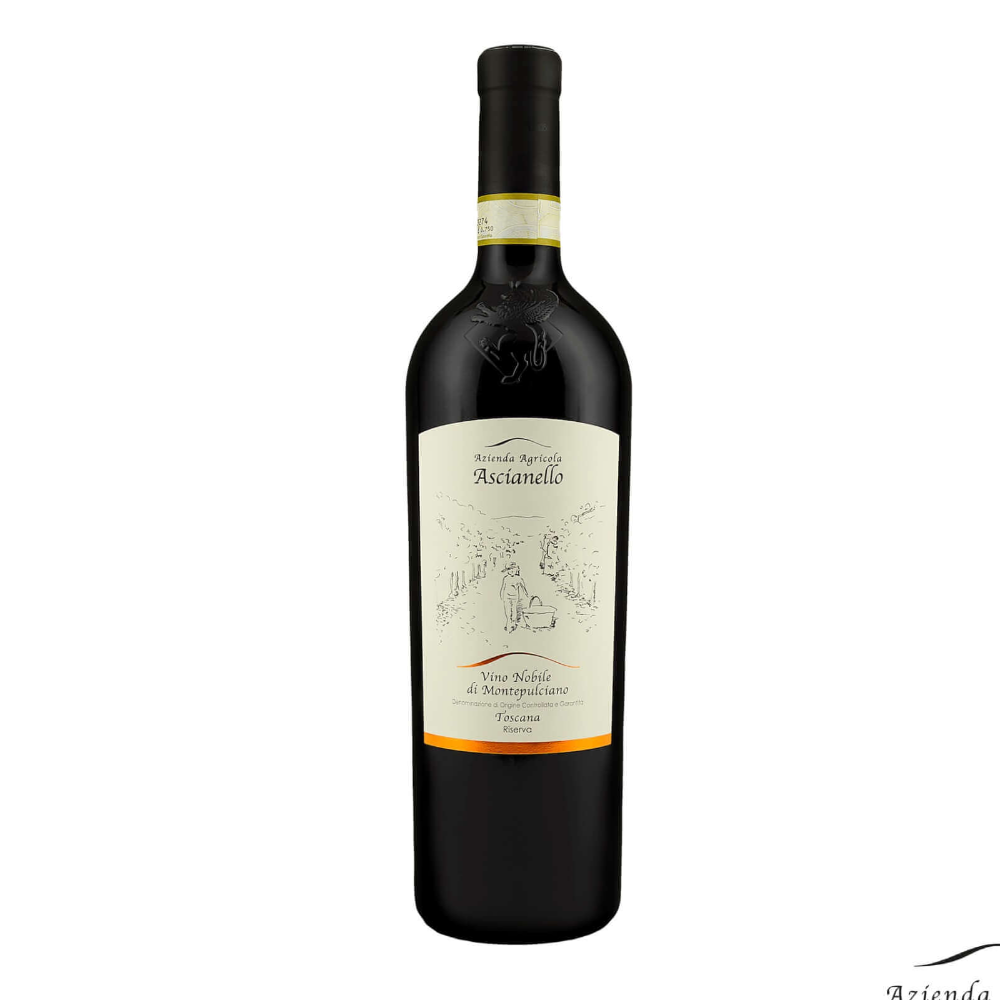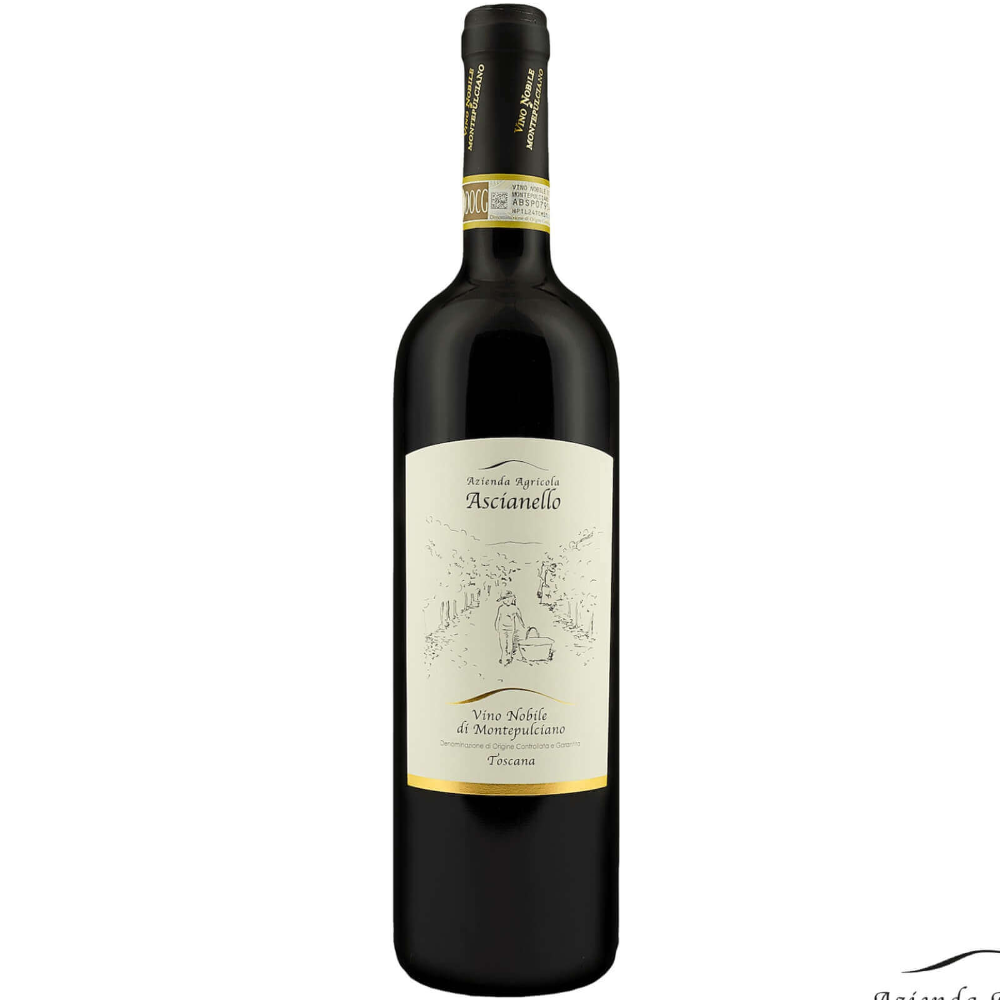
A wine label can feel like a puzzle — unfamiliar words, tiny print, and a producer's name you've never heard of. But once you know what to look for, a label tells you almost everything about what's in the bottle before you even pull the cork.
Start with the appellation
This is the region where the grapes were grown — think Napa Valley, Chianti Classico, or Bordeaux. Stricter appellations (especially in Europe) come with rules about which grapes can be used and how the wine is made, so the region often says more than the grape variety itself.
Check the vintage
The year on the label is when the grapes were harvested, not when the wine was bottled or released. Vintage matters more for some wines than others — a cool-climate Pinot Noir will vary more year to year than a consistently blended Champagne.
Look for the grape variety
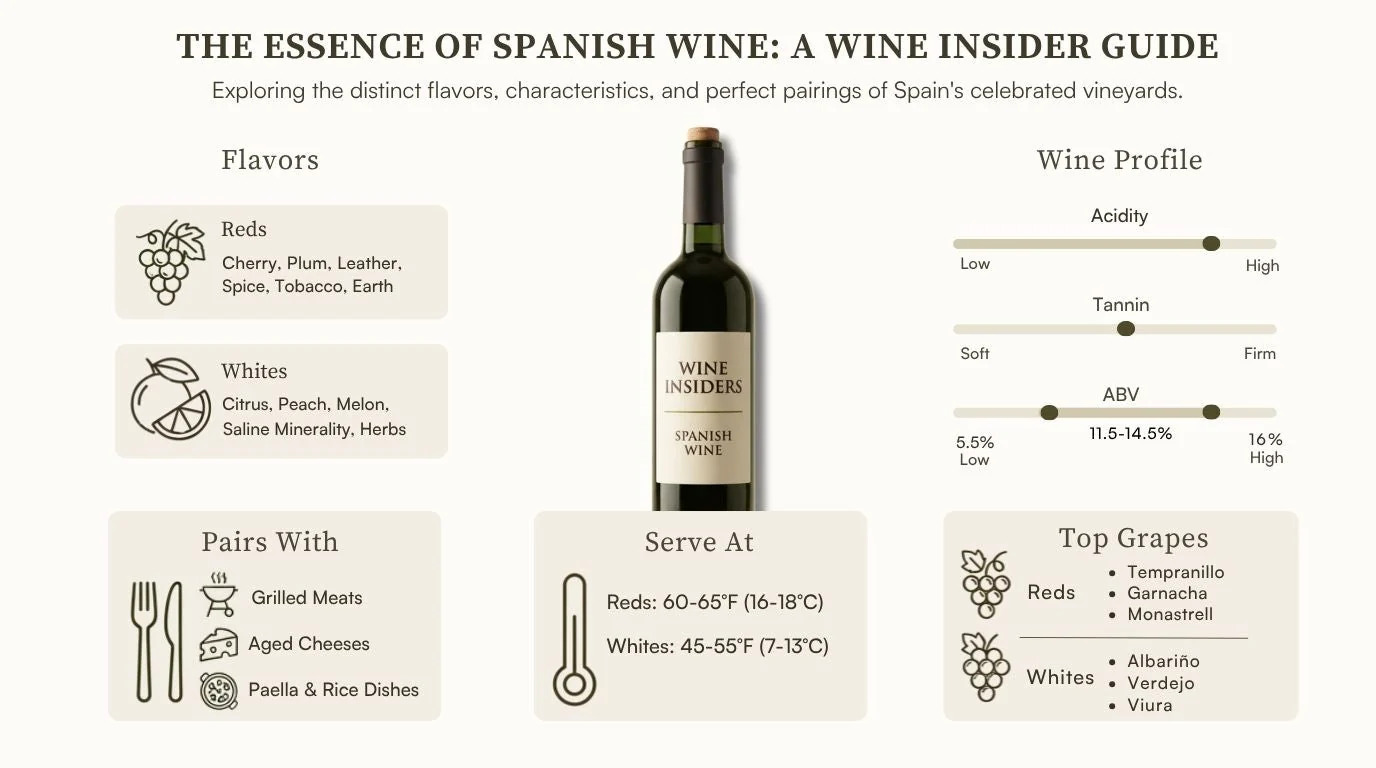
New World wines (US, Australia, Chile) usually name the grape directly: Cabernet Sauvignon, Chardonnay, Merlot. Old World wines (France, Italy, Spain) often name the place instead, assuming you know that a red Burgundy means Pinot Noir and a white Burgundy means Chardonnay.
Note the producer and estate
This is the winery or grower — over time, this becomes more reliable than the label's other details, since a producer's style tends to stay consistent from vintage to vintage.
Don't ignore the back label
Alcohol content, tasting notes, and food pairing suggestions usually live here, along with sulfite disclosures and sometimes serving temperature.
Once you can scan a label in ten seconds and know roughly what you're getting, choosing a bottle stops being a guessing game — it becomes a much more informed (and enjoyable) part of the experience.