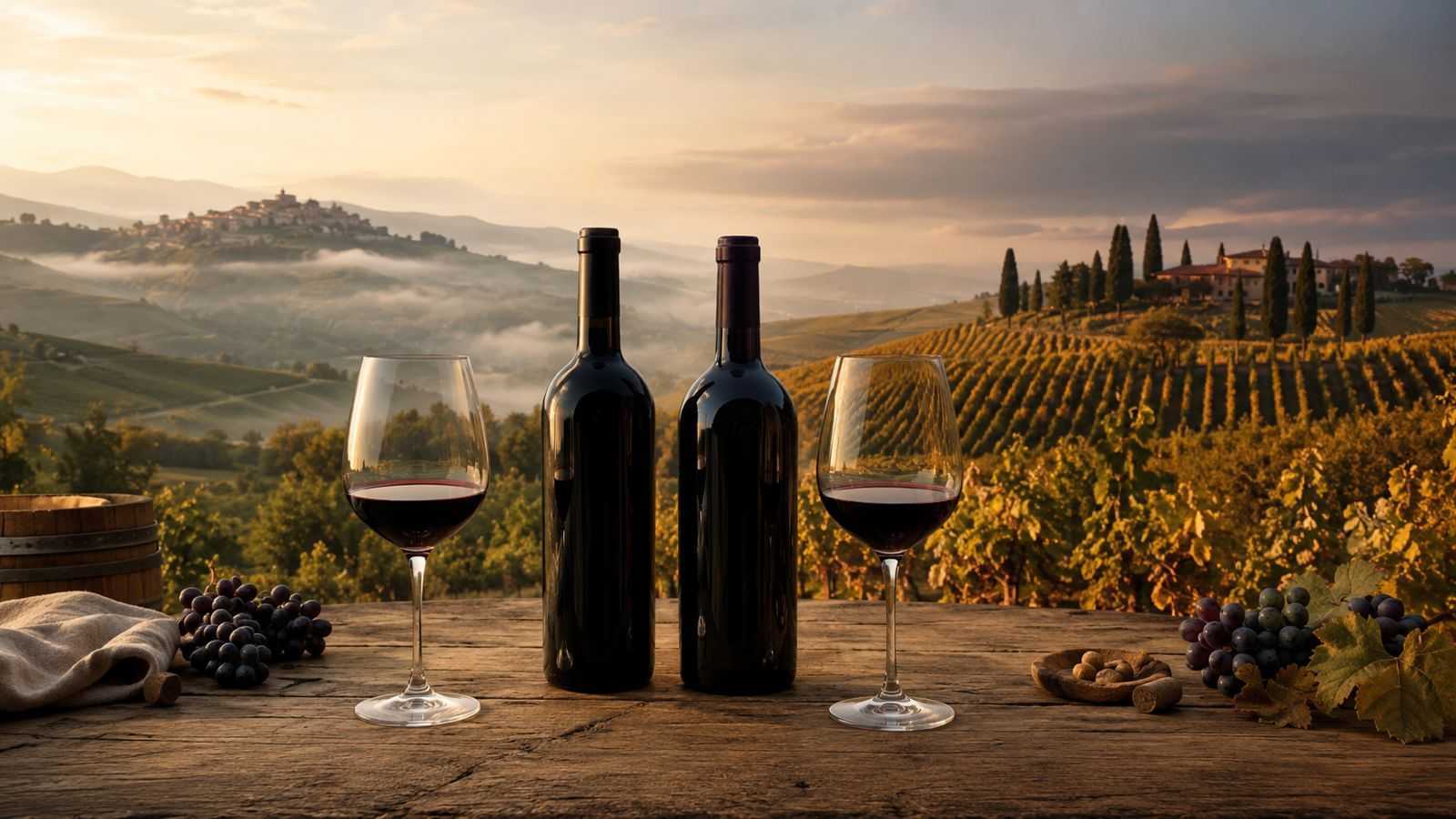
Italy has no shortage of exceptional red wines, but few comparisons inspire as much debate as Barolo versus Brunello di Montalcino. Both are prestigious, age-worthy wines capable of transforming a special dinner into a memorable experience. Yet they come from different grapes, landscapes and winemaking traditions.
Barolo expresses the misty hills and restrained elegance of Piedmont through the Nebbiolo grape. Brunello di Montalcino captures the warmth and generosity of Tuscany through a local expression of Sangiovese.
So, how do these two Italian icons really differ—and which one should you choose?
Barolo: The Noble Wine of Piedmont
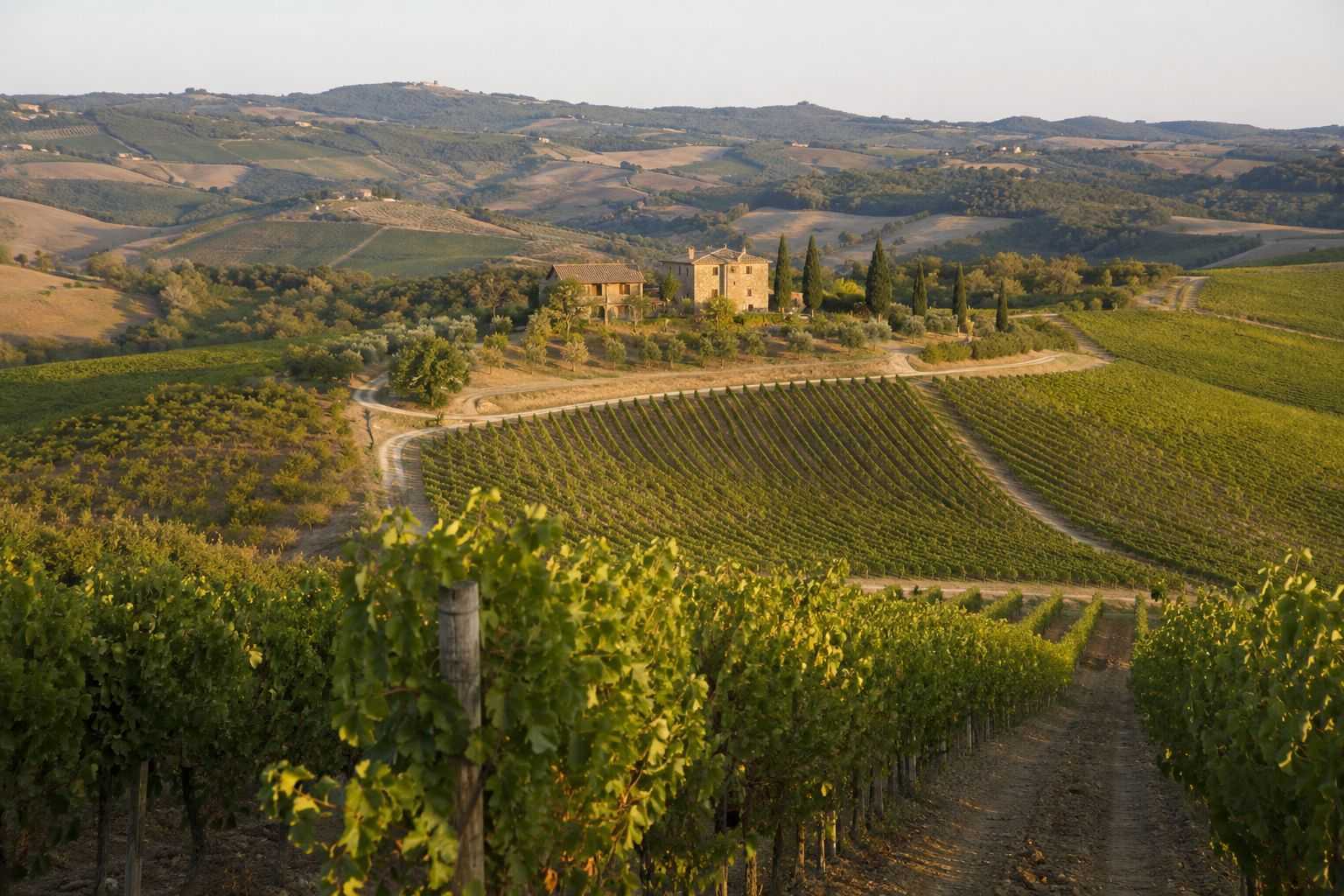
Barolo is produced in the Langhe hills of Piedmont in north-western Italy. Its vineyards surround a small collection of villages, including Barolo, La Morra, Monforte d’Alba, Serralunga d’Alba and Castiglione Falletto.
The wine must be made entirely from Nebbiolo, a grape famous for its pale colour, intense perfume, high acidity and powerful tannins.
This creates one of Barolo’s most fascinating contradictions: it may appear relatively light in the glass, but its structure can be formidable.
Young Barolo often reveals aromas of red cherry, rose petals, dried flowers and herbs. With age, it can develop more complex notes of leather, tobacco, truffle, forest floor, liquorice and tar.
What does Barolo taste like?
A typical Barolo may offer:
- Sour cherry and wild red berries
- Rose petals and dried flowers
- Liquorice, anise and herbs
- Leather, tobacco and earthy notes
- Firm tannins and refreshing acidity
- A long, savoury finish
Barolo is rarely a soft or immediately sweet-tasting wine. Its pleasure comes from perfume, structure and complexity. The best examples unfold slowly in the glass and continue evolving over many years.
Brunello di Montalcino: Tuscany’s Powerful Sangiovese
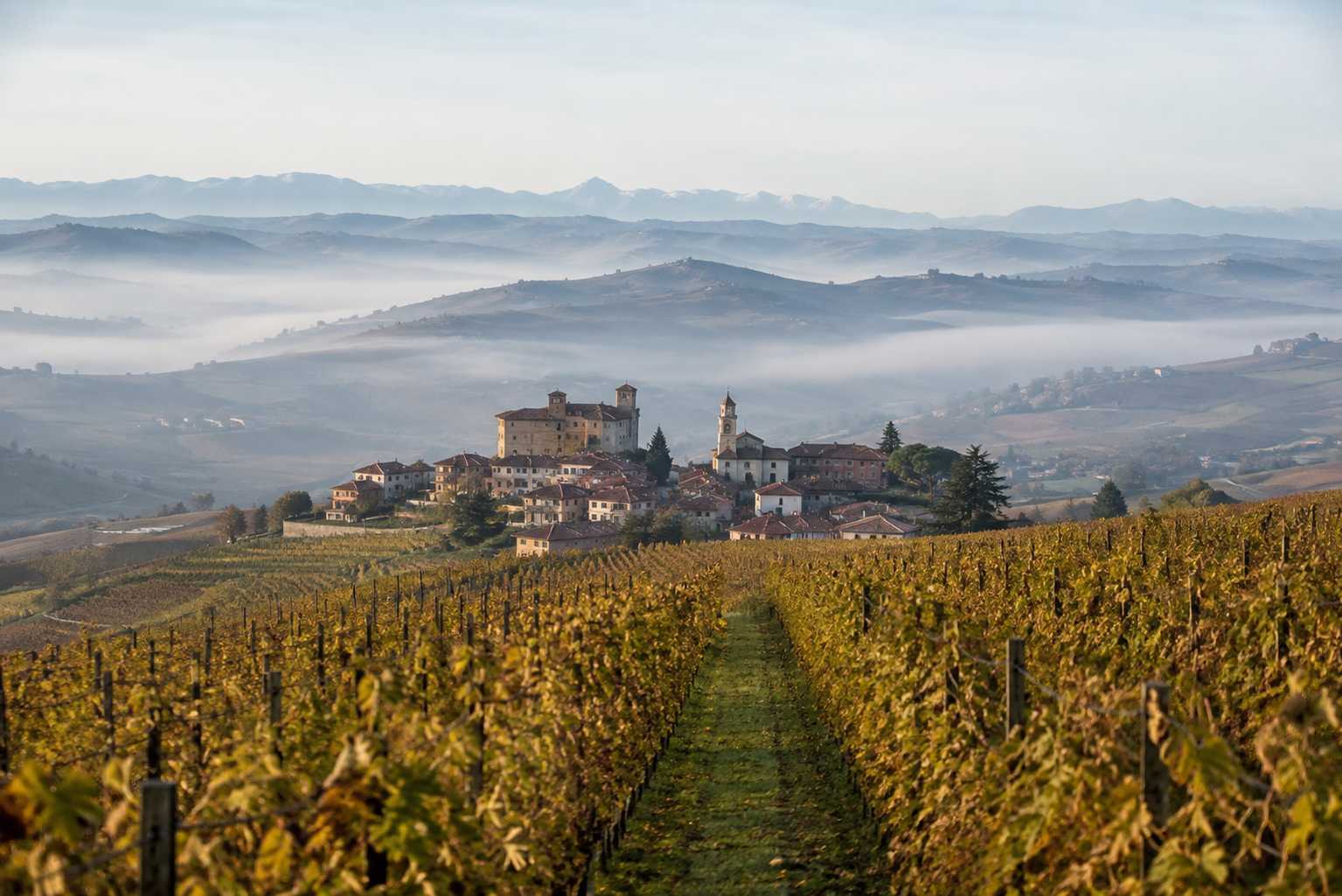
Brunello di Montalcino comes from the hills surrounding Montalcino, south of Siena in Tuscany. It is made entirely from Sangiovese—traditionally known locally as Brunello.
Compared with Piedmont, Montalcino generally enjoys a warmer, sunnier Mediterranean-influenced climate. This helps Sangiovese achieve greater ripeness, producing wines that often feel fuller, darker and more generous than Barolo.
Brunello commonly displays flavours of ripe cherry, plum and dried red fruit, supported by notes of herbs, leather, spice and tobacco. Its acidity keeps the wine fresh, while substantial tannins give it the ability to age.
What does Brunello taste like?
A typical Brunello di Montalcino may offer:
- Ripe cherry, plum and wild berries
- Dried fruit and orange-peel notes
- Mediterranean herbs and balsamic nuances
- Leather, cedar, tobacco and warm spice
- Firm but often rounded tannins
- A rich, persistent finish
Although Brunello can be powerful, it should not feel heavy or dull. A well-balanced bottle combines ripe fruit with freshness, savoury character and a clear sense of place.
Barolo vs Brunello: The Key Differences
| Characteristic | Barolo | Brunello di Montalcino |
|---|---|---|
| Region | Piedmont, north-western Italy | Tuscany, central Italy |
| Grape | 100% Nebbiolo | 100% Sangiovese |
| Typical fruit profile | Sour cherry and red berries | Ripe cherry, plum and dried fruit |
| Aromatic character | Rose, tar, truffle and herbs | Leather, spice, herbs and balsamic notes |
| Structure | High acidity and pronounced tannins | High acidity with firm, often broader tannins |
| Body | Medium to full, despite its pale colour | Usually full-bodied and generous |
| General personality | Perfumed, austere and intellectually complex | Powerful, warm and immediately expressive |
| Classic food pairing | Truffle, braised beef and mushroom dishes | Bistecca Fiorentina, roast meats and aged pecorino |
These descriptions are useful, but they are not absolute rules. Vineyard location, vintage conditions, ageing vessels and producer style can dramatically change the final wine.
A traditional Barolo may be firm and reserved, while a more modern version can show softer tannins and riper fruit. Likewise, Brunello can range from elegant and aromatic to rich and muscular.
Piedmont and Tuscany: Two Different Expressions of Italy
The difference between Barolo and Brunello is about more than grape variety. Each wine reflects the identity of its region.
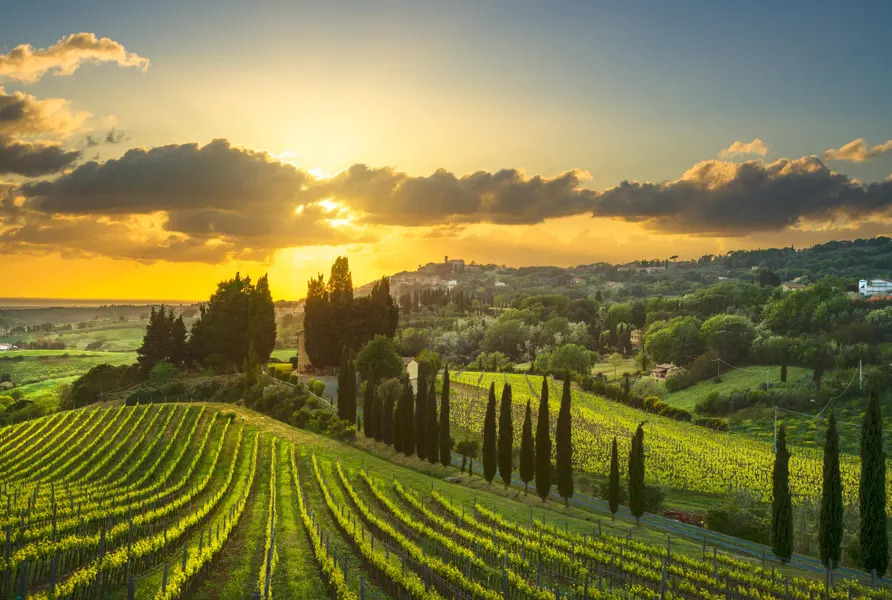
Piedmont’s cooler continental climate, foggy autumns and intricate hillside vineyards contribute to Barolo’s tension, perfume and slow development. Nebbiolo ripens late and preserves strong acidity, making patience especially important.
Tuscany feels warmer and more Mediterranean. Around Montalcino, sunlight, altitude and cooling air currents help Sangiovese develop ripe fruit without losing its essential freshness. The result is often a wine with greater immediate warmth and volume.
Barolo can feel like a wine that asks to be studied. Brunello often feels like a wine that invites you to the table. At their best, however, both combine pleasure with extraordinary depth.
Which Wine Ages Better?
Both Barolo and Brunello are among Italy’s finest cellar-worthy wines.
Barolo’s powerful tannins and acidity can allow excellent bottles to evolve for decades. Over time, its youthful fruit becomes more delicate while aromas of truffle, dried flowers, tobacco and forest floor emerge.
Brunello also ages beautifully, gradually developing softer textures and complex flavours of dried cherry, leather, spice and earth.
Producer and vintage matter more than the name alone. An expensive bottle from a famous denomination is not automatically superior to a carefully made wine from a less celebrated producer. Proper storage is equally important.
If you plan to open a young bottle, decanting may help—but it cannot manufacture maturity. A tightly closed wine sometimes needs years rather than hours to reveal its full character.
Food Pairing: What to Serve with Barolo and Brunello
Barolo pairs naturally with the rich cuisine of Piedmont. Its acidity and tannins work particularly well with braised beef, game, porcini mushrooms, truffle dishes and mature cheeses.
Try Barolo with:
- Brasato al Barolo
- Truffle risotto
- Porcini mushroom pasta
- Roast game
- Aged Castelmagno or Parmigiano Reggiano
Brunello is a natural partner for Tuscan cooking. Its ripe fruit, savoury herbs and firm structure complement grilled and roasted meats.
Try Brunello with:
- Bistecca alla Fiorentina
- Wild-boar ragù
- Roast lamb
- Tuscan-style beef stew
- Aged Pecorino Toscano
For both wines, avoid very delicate dishes. Their tannin and intensity can easily overpower light fish, mild vegetables or subtly flavoured sauces.
Which One Should You Choose?
Choose Barolo if you enjoy highly aromatic wines with firm tannins, vibrant acidity and complex floral, earthy and savoury flavours. It is particularly rewarding for drinkers who appreciate wines that change slowly in the glass and develop over time.
Choose Brunello if you prefer a fuller, warmer and more fruit-driven expression, supported by savoury complexity and Tuscan character. It can be easier to understand when young, although serious bottles still benefit greatly from ageing.
If you are undecided, the best answer is not to pick a winner. Taste them side by side.
Serve both wines with suitable food, use large glasses and give each bottle time to open. The contrast between Nebbiolo’s floral precision and Sangiovese’s warm cherry character offers a remarkable introduction to two of Italy’s most distinctive wine regions.
Two Italian Icons, Two Different Experiences
Barolo and Brunello are not competing versions of the same wine. They represent two different landscapes, grapes and philosophies.
Barolo brings the perfume, tension and mystery of Piedmont. Brunello offers the warmth, depth and generosity of Tuscany. One may suit a particular meal or mood better than the other, but neither can be reduced to a simple ranking.
The real pleasure lies in exploring both—and discovering which expression speaks most clearly to you.